
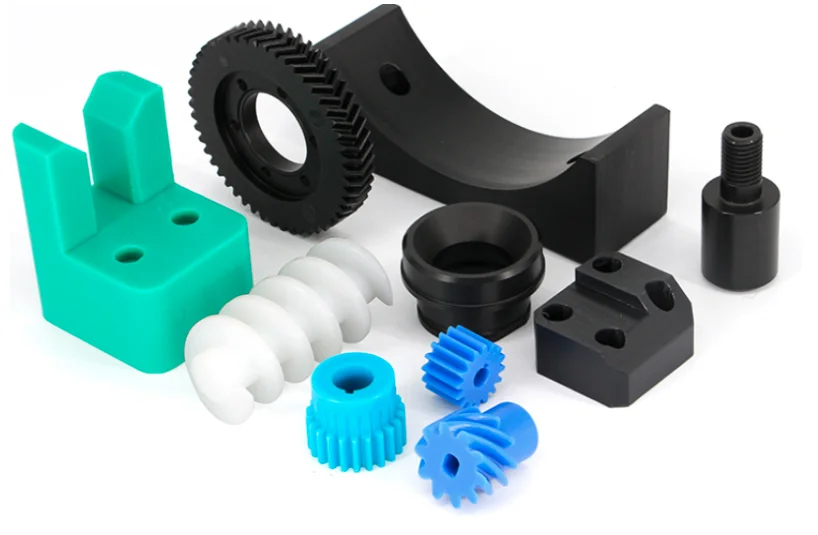
Jiangzhi Plastic and Rubber Part: Quality, Precision, and Practical Value in Modern Manufacturing
In today’s manufacturing landscape, plastic and rubber components quietly support countless products that people rely on every day. From industrial machinery to consumer goods, these parts must meet strict expectations for durability, accuracy, and cost efficiency. Jiangzhi plastic and rubber part solutions have gained attention for aligning practical engineering with real-world application needs. Rather than focusing on hype, this topic deserves a grounded discussion about materials, processes, performance, and how thoughtful production adds long-term value for businesses and end users alike.
Manufacturers and buyers are no longer satisfied with components that simply fit. They want consistency across batches, dependable performance under stress, and flexibility in design. This is where Jiangzhi plastic and rubber part manufacturing becomes relevant, offering a balance between technical capability and manufacturing discipline that supports scalable production.
The Role of Plastic and Rubber Parts in Daily Applications
Plastic and rubber components are embedded in nearly every sector, even when they are not visible. In automotive interiors, rubber seals and plastic housings ensure comfort and safety. In electronics, molded plastic enclosures protect sensitive circuits while maintaining a sleek appearance. Industrial equipment relies on rubber gaskets and plastic connectors to manage vibration, pressure, and chemical exposure.
What makes these parts critical is not just their function, but their reliability over time. A poorly molded rubber seal can cause leakage. An imprecise plastic part can lead to misalignment and system failure. Jiangzhi plastic and rubber part production addresses these challenges by emphasizing stable material properties and repeatable manufacturing standards, which are essential for parts that operate under constant use.
Materials That Balance Strength and Flexibility
The selection of materials defines how a plastic or rubber component behaves in real conditions. Thermoplastics, thermosets, natural rubber, and synthetic elastomers all offer distinct characteristics. Some plastics provide rigidity and heat resistance, while others allow controlled flexibility. Rubber materials vary in elasticity, chemical resistance, and aging behavior.
In Jiangzhi plastic and rubber part manufacturing, material choice is guided by application requirements rather than generic formulas. For instance, parts exposed to oils or solvents demand specialized rubber compounds, while outdoor components require plastics with UV stability. This thoughtful alignment between material science and application use helps ensure that parts perform as intended throughout their service life.
Precision Molding and Consistency in Production
Modern customers expect parts that are consistent from the first unit to the thousandth. Precision molding techniques play a major role in achieving this. Injection molding for plastics and compression or injection molding for rubber enable high repeatability when properly controlled.
Jiangzhi plastic and rubber part processes focus on maintaining tight tolerances through calibrated tooling, controlled temperatures, and monitored cycle times. This approach reduces variation and minimizes defects such as warping, flash, or surface inconsistencies. Over time, this consistency lowers rejection rates and helps manufacturers maintain predictable assembly processes.
Tooling Design and Its Long-Term Impact
Tooling is often overlooked when discussing component quality, yet it has a lasting influence on performance and cost. A well-designed mold ensures smooth material flow, even cooling, and easy part release. Poor tooling can lead to uneven thickness, internal stress, or premature mold wear.
In the context of Jiangzhi plastic and rubber part production, tooling design is treated as a long-term investment rather than a one-time expense. Proper mold engineering supports stable production runs and allows for easier maintenance or modification if product designs evolve. This approach benefits customers by extending tool life and preserving part quality across multiple production cycles.
Customization Without Compromising Efficiency
Many industries require customized components to fit unique designs or operating environments. Customization, however, often raises concerns about cost and production speed. Effective manufacturers find ways to adapt designs while preserving efficient workflows.
Jiangzhi plastic and rubber part solutions demonstrate that customization does not need to sacrifice efficiency. By adjusting mold inserts, material blends, or processing parameters, manufacturers can tailor parts to specific needs while maintaining standard production methods. This flexibility is particularly valuable for small to medium production runs where design specificity matters.
Quality Control as a Continuous Process
Quality is not achieved through final inspection alone. It is built into each step of the manufacturing process. From incoming material checks to in-process monitoring and final dimensional verification, consistent quality control ensures that defects are detected early.
In Jiangzhi plastic and rubber part manufacturing, quality control operates as a continuous loop. Data from inspections is used to fine-tune processes, reducing the likelihood of recurring issues. This proactive mindset helps maintain customer trust and supports long-term partnerships built on dependable supply.
Performance Under Real-World Conditions
Laboratory tests provide valuable insights, but real-world performance ultimately defines a component’s success. Plastic and rubber parts are exposed to heat, pressure, friction, and environmental factors that can degrade materials over time.
Jiangzhi plastic and rubber part designs consider these real conditions during development. Stress testing, aging simulations, and application-based evaluations help predict how parts will behave in service. This practical focus reduces unexpected failures and supports safer, more reliable products for end users.
Supporting Multiple Industries with Versatile Solutions
One of the strengths of plastic and rubber components lies in their versatility. The same core manufacturing principles can serve vastly different industries, from healthcare to construction. Each sector, however, brings its own regulatory and performance demands.
Jiangzhi plastic and rubber part production adapts to these differences by aligning materials and processes with industry-specific requirements. Medical components prioritize cleanliness and biocompatibility, while industrial parts emphasize durability and load-bearing capacity. This adaptability broadens the relevance of plastic and rubber solutions across markets.
Sustainability and Responsible Manufacturing
Sustainability has become a practical consideration rather than a marketing trend. Manufacturers are under pressure to reduce waste, optimize energy use, and select materials responsibly. Plastic and rubber production, in particular, faces scrutiny due to environmental concerns.
Jiangzhi plastic and rubber part manufacturing addresses sustainability through efficient material usage, recycling where possible, and process optimization. Reducing scrap rates and extending product lifespan contribute to lower environmental impact. These efforts align manufacturing goals with broader expectations for responsible production.
Cost Efficiency Through Smart Engineering
Cost efficiency is not solely about choosing cheaper materials or cutting corners. It involves designing parts that meet performance requirements without unnecessary complexity. Smart engineering balances material usage, tooling design, and production speed.
By focusing on functional design, Jiangzhi plastic and rubber part solutions help control costs while preserving quality. Efficient designs reduce cycle times and material waste, which in turn supports competitive pricing for customers without sacrificing reliability.
Communication Between Manufacturer and Client
Clear communication plays a vital role in successful component production. Misunderstandings about specifications, tolerances, or operating conditions can lead to costly revisions or delays.
In Jiangzhi plastic and rubber part projects, ongoing dialogue between engineers and clients supports better outcomes. Early discussions clarify expectations and allow potential challenges to be addressed before tooling begins. This collaborative approach reduces rework and helps align final products with real application needs.
Long-Term Reliability and Brand Reputation
For many companies, component quality directly affects brand reputation. A failed seal or cracked housing can damage customer trust, even if the issue lies deep within a product. Reliable parts contribute to consistent product performance and customer satisfaction.
Jiangzhi plastic and rubber part manufacturing emphasizes long-term reliability by combining material expertise, precise tooling, and quality control. This focus helps downstream manufacturers protect their brand image by delivering products that perform as expected over time.
Adapting to Evolving Market Demands
Markets evolve quickly, driven by new technologies and changing consumer expectations. Manufacturers must be able to adapt their component designs and production methods accordingly.
Jiangzhi plastic and rubber part solutions remain relevant by supporting design updates and process improvements. Whether adjusting materials for improved performance or modifying molds to suit updated designs, adaptability ensures continued alignment with market needs.
Practical Value Beyond the Component Itself
A plastic or rubber part may seem small, but its impact extends beyond its physical size. Reliable components simplify assembly, reduce maintenance needs, and improve overall product performance.
By focusing on practical value, Jiangzhi plastic and rubber part manufacturing contributes to smoother operations for clients. The benefits are reflected not only in the part itself, but in the efficiency and dependability of the final product it supports.
Building Confidence Through Consistency
Consistency builds confidence. When manufacturers know that each delivery meets the same standards, planning becomes easier and risks decrease. This consistency is the result of disciplined processes rather than chance.
Jiangzhi plastic and rubber part production emphasizes repeatability and process stability, helping customers rely on predictable outcomes. Over time, this reliability strengthens business relationships and supports long-term cooperation.
Conclusion
Plastic and rubber parts play a quiet yet essential role in modern manufacturing. Their performance depends on material selection, precision processes, and a clear focus on real-world use. Jiangzhi plastic and rubber part solutions highlight how thoughtful engineering and disciplined production can deliver components that meet practical demands without unnecessary complexity.
By prioritizing quality, adaptability, and consistent communication, this approach supports industries seeking dependable components that add genuine value. In an environment where reliability matters more than claims, well-made plastic and rubber parts continue to earn their place as foundational elements of modern products.